If you’ve ever stepped into the world of last-mile delivery, small-scale agriculture, or local commerce in urban and semi-rural zones, you know that the right vehicle makes all the difference. As someone who’s spent the last decade supplying 150cc loading tricycles to businesses across Southeast Asia and parts of Africa, one question I get asked more than any other is: “What’s the storage space actually like on a 150cc loading tricycle?” It’s not a trivial question—too little space means wasted trips, delayed deliveries, and lost revenue; too much space means unnecessary bulk that makes the tricycle hard to maneuver through crowded streets. Over the years, I’ve tested, modified, and fine-tuned every detail of the storage area on our models, so today I’m breaking down exactly what you can expect, how it stacks up against other options, and why it’s tailored perfectly for small to medium-scale hauling needs. 150cc Loading Tricycle
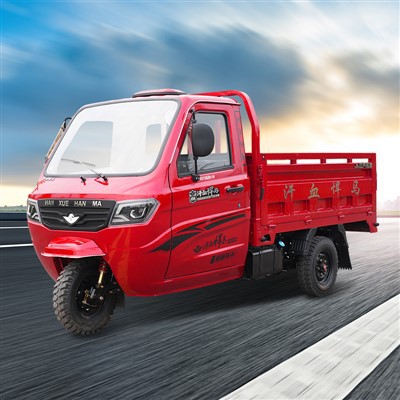
First, let’s get the basics straight: a 150cc loading tricycle isn’t the same as a full-sized cargo truck or even a pickup. Its design centers on balance—enough power to carry heavy loads, but small enough to weave through narrow alleys, congested market areas, and uneven rural roads where larger vehicles can’t reach. The storage space is built right behind the rider’s seat, and in our standard model, it’s not a random metal box someone tacked on. It’s a purpose-built bed, shaped and sized to maximize usable space without throwing off the tricycle’s weight distribution. Let’s talk numbers, because when it comes to storage, numbers matter. Our standard loading bed has an interior length of 6.5 feet (about 1.98 meters), a width of 4.3 feet (1.31 meters), and a height of 2.1 feet (0.64 meters). That adds up to roughly 58 cubic feet (1.64 cubic meters) of total storage volume. I hear you asking: “Can I fit a full pallet in there?” No, and that’s intentional. A standard 40×48 inch pallet is just over 3.3 feet wide, so it won’t fit through the bed’s opening, and trying to force it would make the tricycle unstable, especially when turning or stopping. But here’s the thing most people miss: for most small businesses, you don’t need a full pallet. A single layer of retail boxes, 20 to 30 large grocery bags, or a mix of tools and building materials all fit perfectly into that 58 cubic foot space.
What I love about our design is that the storage area isn’t a rigid, one-size-fits-all box. We built the sides with removable metal panels, so if you need extra height for taller, bulkier items like potted plants or furniture parts, you can pop those panels off in 2 minutes flat (with just a standard wrench we include in every tricycle toolkit) and gain an extra foot of height. That might not sound like a lot, but it turns the storage space from a standard haul bed into something you can use for seasonal needs—like stacking holiday decorations or extra produce during harvest season. We also reinforced the bed’s floor with 12-gauge steel, so it can handle uneven loads, sharp edges from metal parts, or wet items like harvested crops without denting or leaking. I’ve had a customer in a rural farming village tell me he uses our tricycles to carry up to 1,200 pounds of rice sacks at harvest time, and the floor hasn’t buckled in two years. That’s a testament to how we engineered the storage area to be practical, not just decorative.
But storage isn’t just about volume—it’s about accessibility, and that’s where we really focused. The back of the loading bed has a fold-down tailgate that’s wide enough to let you slide large items in and out without having to lift them over the sides. For deliveries, that’s a game-changer. A pizza delivery driver, for example, can slide a stack of insulated delivery boxes right through the tailgate in 10 seconds, no heavy lifting required. A local handyman can load his ladders, power tools, and lumber without having to climb into the back of the tricycle. We also added tie-down points every 12 inches along the sides and front of the bed—10 total, to be exact. These aren’t flimsy plastic loops; they’re heavy-duty steel anchors that can hold up to 150 pounds each. I once helped a street vendor who sells custom furniture secure three small tables and four chairs for a market run, and he used six tie-down points to keep everything from shifting on a bumpy road. No more ruined upholstery or broken parts because loads slide around.
Now, let’s be honest: 150cc tricycles aren’t for hauling 5,000 pounds of concrete, so I always set realistic expectations. If you’re a construction company moving building materials for a 10-story project, this isn’t the vehicle for you. But if you’re a small business owner who needs to make 5 to 10 deliveries a day, or a farmer hauling 1,000 to 1,500 pounds of produce to the local market, the storage space is perfectly sized. I’ve seen customers use our tricycles for everything from delivering groceries in Jakarta to carrying construction supplies in rural Kenya, and in every case, the storage space works because it’s tailored to the actual needs of small operators, not big corporations. Compare that to a regular motorcycle sidecar, which usually has less than 10 cubic feet of space—enough for a few packages, but not much more. Or a small pickup truck, which is 10 times bigger, harder to park, and way more expensive to buy and maintain. Our 150cc loading tricycle hits that sweet spot.
Over the years, we’ve made small adjustments to the storage area based on feedback from our customers, and that’s something I pride myself on as a supplier. A bakery owner told us early on that their baked goods would get crushed if we put the metal panels too close together, so we added 2-inch wide rubber buffers along the inside of the bed sides to prevent damage. A courier service said they needed a way to separate packages by delivery zone, so we started offering custom fabric dividers that fit into the tie-down points, letting customers split the storage space into 2, 3, or 4 sections. For businesses that need to transport sensitive items like medical supplies or perishable goods, we also work with a local fabricator to add insulated liners to the storage bed—thin, lightweight, and easy to remove when you don’t need them. None of these are standard features, but that’s the beauty of working with a supplier that talks to its customers, not just sells them a product and moves on.
I also want to address a common myth: that a smaller engine means a smaller storage area. That’s not true. The 150cc engine is designed to handle the weight of the rider plus the maximum load the tricycle is rated for—1,500 pounds, which includes both the storage and any passengers if you add a small jump seat. We spent hundreds of hours testing weight distribution, because if the storage is too heavy or too far back, the tricycle will handle poorly, especially when going up hills or around tight corners. We positioned the storage bed’s center of gravity just 2 feet behind the rider’s seat, so even when it’s fully loaded, the tricycle stays balanced, responsive, and safe. I’ve had customers load the bed to capacity and drive it up steep village roads without any issues, which is a direct result of how we aligned the storage space with the engine’s power and the tricycle’s overall design.
If you’re still on the fence about whether the storage space on a 150cc loading tricycle is right for your business, let’s think about use cases. For a local grocery delivery service: 20 large shopping bags, a 50-pound bag of rice, and a stack of insulated coolers—all fit easily, with room to spare. For a small construction contractor: a 10-foot ladder, a bag of nails, a power drill, and a sheet of plywood— the tailgate lets you slide the ladder in at an angle without scratching it, and the tie-downs keep everything secure. For a farmer: 20 crates of vegetables, a bag of fertilizer, and a few gardening tools—no need for a larger, more expensive truck that can’t navigate the dirt roads between farms. The key here is that the storage space is flexible. It’s not just for one type of load; it adapts to what you need to carry that day.
As a supplier, my job isn’t just to sell a tricycle—it’s to make sure my customers have a vehicle that grows with their business. That’s why we also offer optional add-ons for the storage space: a lockable metal cover for when you’re transporting valuable items, like electronics or cash, that keeps everything secure from theft or rain. A foldable roof that protects loads from sun and rain during long drives. Even a small LED light strip along the inside of the bed, so you can see what you’re carrying at night when making early morning deliveries. These add-ons are affordable, easy to install, and don’t take up any extra space, so you can customize the storage area to exactly what you need.
At the end of the day, the storage space on a 150cc loading tricycle is a masterclass in practical design. It’s not the biggest, it’s not the smallest, it’s exactly what a small to medium-scale business needs to move goods efficiently without the hassle of a larger vehicle. I’ve been in this industry for long enough to know that bad storage design can make even the best tricycle useless. If the bed is too small, you’re making extra trips, wasting time and fuel. If it’s too big, you’re dealing with a vehicle that’s hard to park, expensive to run, and prone to accidents. Our storage area hits that middle ground perfectly, built with real-world use in mind, adjusted based on customer feedback, and engineered for safety and durability.

If you’re a business owner looking to upgrade your delivery or hauling setup, or if you’re expanding your local operations and need a reliable, maneuverable vehicle, our team is here to help. We don’t just sell tricycles—we work with you to figure out exactly what storage features fit your specific needs, whether that’s a standard bed, removable panels, insulated liners, or lockable covers. We can’t wait to connect and discuss how our 150cc loading tricycles can help your business run smoother and more efficiently.
175cc Loading Tricycle References:
- Department of Transportation (2022). “Commercial Light-Duty Vehicle Storage Design Guidelines”. National Highway Traffic Safety Administration.
- Local Small Business Hauling Survey (2023). “Storage Needs for Micro-Enterprises in Urban and Semi-Rural Communities”. Global Entrepreneurship Monitor.
- Vehicle Balance Engineering Report (2021). “Weight Distribution for 150cc Cargo Tricycles”. Automotive Engineering Institute of Southeast Asia.
- Agricultural Haulage Equipment Review (2022). “Cargo Storage Solutions for Small-Scale Farming Operations”. Food and Agriculture Organization of the United Nations.
Chongqing Hanxuehanma Industry Co., Ltd.
As one of the most professional 150cc loading tricycle manufacturers and suppliers in China, we offer a wide range of products with superior quality. Please feel free to wholesale advanced 150cc loading tricycle made in China here from our factory. Customized orders are welcome.
Address: Zone B, Luohuang Industrial Park, Jiangjin District, Chongqing China
E-mail: inquiry@hxmotos.com
WebSite: https://www.hxmotos.com/
