As a supplier of repair peptides, I’ve witnessed firsthand the growing demand for these remarkable biomolecules in various industries, from skincare to pharmaceuticals. Repair peptides, short chains of amino acids, play a crucial role in cellular repair, regeneration, and overall health maintenance. In this blog, I’ll delve into the diverse sources of repair peptides, shedding light on where these powerful compounds originate and how they are harnessed for their therapeutic and cosmetic benefits. Repair Peptides
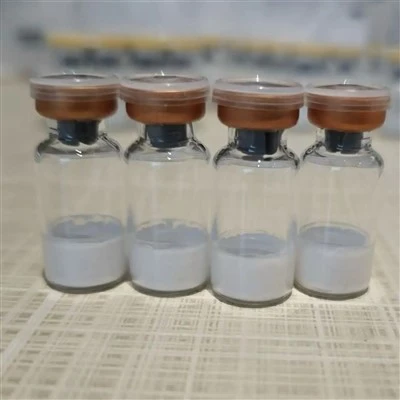
Natural Sources of Repair Peptides
Milk and Dairy Products
Milk is a rich source of bioactive peptides, many of which possess repair and regenerative properties. Casein, a major protein in milk, can be broken down into smaller peptides during digestion or through enzymatic processing. These peptides, such as caseinophosphopeptides (CPPs), have been shown to promote calcium absorption, enhance bone health, and support tissue repair. Whey protein, another component of milk, also yields bioactive peptides with antioxidant, anti – inflammatory, and immunomodulatory effects. For example, lactoferricin, derived from lactoferrin in whey, has antibacterial and wound – healing properties. Dairy products like yogurt and cheese, which undergo fermentation, can further increase the bioavailability of these beneficial peptides.
Eggs
Eggs are a nutritional powerhouse, and their proteins are a valuable source of repair peptides. Ovalbumin, the main protein in egg white, can be hydrolyzed to produce peptides with diverse biological activities. Some of these peptides have been found to have antihypertensive effects by inhibiting angiotensin – converting enzyme (ACE). Additionally, peptides from eggs may contribute to skin repair and regeneration due to their high content of essential amino acids, which are the building blocks for collagen and elastin synthesis.
Fish and Seafood
Fish and seafood are excellent sources of high – quality proteins that can be processed into repair peptides. Collagen peptides, in particular, are widely derived from fish skin, scales, and bones. These peptides are rich in glycine, proline, and hydroxyproline, which are essential for maintaining the integrity and elasticity of the skin, joints, and connective tissues. Fish collagen peptides have been shown to improve skin hydration, reduce wrinkles, and support joint health. Moreover, other bioactive peptides from fish proteins, such as those with antioxidant and anti – inflammatory properties, can contribute to overall cellular repair and protection.
Plants
Many plants contain proteins that can be a source of repair peptides. Soybeans are one of the most well – known plant sources. Soy proteins can be hydrolyzed to produce peptides with various health benefits, including antioxidant, antihypertensive, and anti – inflammatory effects. For example, lunasin, a peptide found in soybeans, has been shown to have anti – cancer and anti – inflammatory properties, as well as the ability to promote cell repair and regeneration. Other plant sources like wheat, barley, and oats also contain proteins that can be processed into bioactive peptides with potential repair functions.
Honey
Honey is not only a sweet treat but also a source of bioactive peptides. It contains a variety of peptides with antibacterial, antioxidant, and anti – inflammatory properties. These peptides contribute to honey’s well – known wound – healing effects. For example, defensin – 1, a peptide found in honey, has strong antibacterial activity against a wide range of pathogens, making honey a natural choice for treating minor wounds and burns.
Synthetic Sources of Repair Peptides
Chemical Synthesis
Chemical synthesis is a widely used method for producing repair peptides. This approach allows for the precise control of the peptide sequence, enabling the creation of peptides with specific biological activities. Solid – phase peptide synthesis (SPPS) is a common technique in which amino acids are sequentially added to a growing peptide chain attached to a solid support. This method is highly efficient and can be automated, allowing for the large – scale production of peptides. Chemical synthesis is particularly useful for producing short peptides with well – defined structures and functions, such as growth – promoting peptides used in skincare products.
Recombinant DNA Technology
Recombinant DNA technology is another powerful tool for producing repair peptides. This method involves inserting the gene encoding the desired peptide into a host organism, such as bacteria, yeast, or mammalian cells. The host organism then expresses the peptide, which can be purified and used for various applications. Recombinant DNA technology offers several advantages, including the ability to produce large quantities of peptides with high purity and the potential to modify the peptide sequence to enhance its biological activity. For example, recombinant human growth hormone (rhGH), a peptide hormone, is produced using this technology and is used to treat growth disorders and promote tissue repair.
Microbial Sources of Repair Peptides
Bacteria
Bacteria are a rich source of bioactive peptides. Some bacteria produce antimicrobial peptides (AMPs), which are small peptides with the ability to kill or inhibit the growth of microorganisms. These peptides also have immunomodulatory and wound – healing properties. For example, nisin, a peptide produced by Lactococcus lactis, is widely used as a natural preservative in the food industry due to its antibacterial activity. In addition, some bacteria can produce peptides that promote cell growth and repair, such as those involved in the synthesis of extracellular matrix proteins.
Fungi
Fungi also produce a variety of bioactive peptides. Some fungal peptides have been shown to have antioxidant, anti – inflammatory, and antitumor properties. For example, cyclosporin, a cyclic peptide produced by the fungus Tolypocladium inflatum, is a well – known immunosuppressive drug used in organ transplantation to prevent rejection. Other fungal peptides may have potential applications in wound healing and tissue repair due to their ability to modulate cellular signaling pathways.
The Significance of Different Sources in the Supply of Repair Peptides
The diverse sources of repair peptides offer several advantages for suppliers like myself. Natural sources provide a wide range of peptides with complex and diverse biological activities, often in a more bioavailable form. They are also generally considered more natural and safe, which is attractive to consumers in the health and beauty industries. Synthetic sources, on the other hand, allow for the production of peptides with specific and well – defined structures, enabling the customization of products based on customer needs. Microbial sources offer the potential for large – scale production of bioactive peptides at a relatively low cost.

By leveraging these different sources, we can ensure a stable and diverse supply of repair peptides to meet the growing demand from various industries. Whether it’s providing high – quality collagen peptides for skincare products or bioactive peptides for pharmaceutical applications, we are committed to sourcing and producing peptides that meet the highest standards of quality and efficacy.
Contact for Procurement and Collaboration
Cosmetic Peptides If you are interested in purchasing repair peptides for your business, whether it’s for skincare formulations, dietary supplements, or pharmaceutical research, I invite you to reach out to me. We have a comprehensive range of repair peptides sourced from various origins, and our team of experts can provide you with detailed information on the properties and applications of each product. We are also open to collaboration opportunities, such as custom peptide synthesis and product development. Let’s work together to harness the power of repair peptides for the benefit of your business and your customers.
References
- Hartmann R, Meisel H. Milk protein-derived bioactive peptides – from science to applications. International Dairy Journal. 2007;17(10):1251 – 1262.
- Mendis E, Rajapakse N, Kim SK. Bioactive peptides from marine processing waste and their potential applications. Trends in Food Science & Technology. 2005;16(12):609 – 619.
- Chen H – M, Muramoto K, Yamauchi F, Fujimoto K, Nokihara K. Bioactive peptides from food proteins: production, processing, and potential health benefits. Progress in Lipid Research. 2006;45(1):1 – 27.
- Craik DJ, Daly NL, Bond T, Waine C. The cystine knot motif in toxins and implications for drug design. Toxicon. 2001;39(11):1809 – 1822.
- Boman HG. Antibacterial peptides: basic facts and emerging concepts. Journal of Internal Medicine. 2003;254(3):197 – 215.
Ruypeptide Biotechnology Co., Ltd.
Ruypeptide Biotechnology Co., Ltd. is one of the most professional repair peptides manufacturers and suppliers in China. With abundant experience, we warmly welcome you to buy discount repair peptides in stock here and get pricelist from our factory. Quality products and reasonable price are available.
Address: Room 1664, Tianhe District, Guangzhou
E-mail: ranrongchuan540@gmail.com
WebSite: https://www.gslifepharma.com/
