As a seasoned bike fork supplier, I’m often asked about the intricacies of aerodynamic design in bike forks. Aerodynamics plays a crucial role in cycling, especially in high – performance and competitive scenarios. In this blog, I’ll delve into what the aerodynamic design of a bike fork entails, its importance, and how our products incorporate these features. Bike Fork

Understanding Aerodynamics in Cycling
Before we focus on bike forks, it’s essential to understand the basic principles of aerodynamics in cycling. When a cyclist rides, they face air resistance, also known as drag. Drag is a force that opposes the motion of the bike and the rider through the air. There are two main types of drag in cycling: pressure drag and skin – friction drag.
Pressure drag occurs when the air flowing around the bike and rider separates from the surface, creating a low – pressure area behind the object. This low – pressure area pulls the bike and rider backward, increasing the resistance. Skin – friction drag, on the other hand, is caused by the friction between the air molecules and the surface of the bike and rider.
Reducing drag is vital for cyclists as it allows them to ride faster with the same amount of effort or to conserve energy. Even small reductions in drag can lead to significant performance improvements, especially over long distances or in competitive races.
Aerodynamic Design of a Bike Fork
So, what makes a bike fork aerodynamic? There are several key aspects to consider:
Shape of the Fork Blades
The shape of the fork blades is one of the most critical factors in aerodynamic design. Traditionally, fork blades were straight and had a rectangular cross – section. However, modern aerodynamic bike forks often feature a more streamlined shape.
One common design is the airfoil shape. An airfoil is a shape that is curved on one side and flat on the other. When air flows over an airfoil, it moves faster over the curved side than the flat side, creating a pressure difference. This pressure difference generates lift in aircraft, but in the case of a bike fork, it helps to reduce drag. The airfoil shape allows the air to flow smoothly around the fork blades, minimizing the separation of the airflow and thus reducing pressure drag.
Another aspect of the fork blade shape is the overall curvature. Aerodynamic forks may be curved in a way that follows the natural flow of air around the bike. This helps to guide the air around the front wheel and other components of the bike, further reducing drag.
Size and Taper of the Fork Blades
The size and taper of the fork blades also affect aerodynamics. Thinner fork blades generally have less surface area in contact with the air, which reduces skin – friction drag. However, the fork blades need to be strong enough to withstand the forces exerted on them during cycling.
Tapered fork blades, where the blades are wider at the top and narrower at the bottom, can also enhance aerodynamics. This design allows the fork to better manage the airflow as it approaches the front wheel. The wider top of the fork blades can help to initially direct the air around the fork, while the narrower bottom minimizes the interference with the airflow around the wheel.
Integration with Other Components
Aerodynamic bike fork design also involves integrating the fork with other components of the bike. For example, the fork should be designed to work well with the front wheel and the frame.
When it comes to the front wheel, the fork should be shaped in such a way that it does not create unnecessary turbulence or eddies in the airflow around the wheel. A well – designed fork can help the air to flow smoothly over and around the wheel, reducing drag.
Integration with the frame is also important. The fork should seamlessly connect to the frame, and the overall design of the bike should consider the flow of air from the fork to the rest of the frame. This helps to create a more cohesive aerodynamic profile for the entire bike.
Importance of Aerodynamic Bike Forks
The use of aerodynamic bike forks offers several benefits for cyclists:
Speed
As mentioned earlier, reducing drag allows cyclists to ride faster. An aerodynamic bike fork can contribute to a significant increase in speed, especially in race situations where every second counts. By minimizing the resistance caused by air, cyclists can maintain a higher average speed with the same amount of power output.
Energy Efficiency
In addition to speed, aerodynamic bike forks also improve energy efficiency. When drag is reduced, cyclists need to expend less energy to maintain a given speed. This is particularly important in long – distance rides or multi – stage races, where conserving energy is crucial for performance.
Handling
Aerodynamic bike forks can also have a positive impact on handling. The streamlined design of the fork can help to reduce the buffeting effect of cross – winds, making the bike more stable and easier to control. This is especially beneficial for cyclists riding in windy conditions or on open roads.
Our Approach to Aerodynamic Bike Fork Design
As a bike fork supplier, we take a comprehensive approach to aerodynamic design. Our team of engineers and designers uses the latest technology and research to develop bike forks that offer optimal aerodynamic performance.
We start by conducting extensive wind tunnel tests. These tests allow us to measure the drag coefficient of different fork designs and make adjustments as needed. By testing various shapes, sizes, and tapers of fork blades, we can identify the most aerodynamic configurations.
In addition to wind tunnel testing, we also use computer – aided design (CAD) and computational fluid dynamics (CFD) simulations. These tools allow us to model the airflow around the bike fork and predict its aerodynamic performance. By analyzing the data from these simulations, we can fine – tune the design of the fork to achieve the best possible results.
We also pay close attention to the materials used in our bike forks. Lightweight and strong materials such as carbon fiber are commonly used in our aerodynamic forks. Carbon fiber not only provides the necessary strength and stiffness but also allows for more complex and aerodynamic shapes to be created.
Future Trends in Aerodynamic Bike Fork Design
The field of aerodynamic bike fork design is constantly evolving. One of the future trends is the use of more advanced materials and manufacturing techniques. For example, new composite materials may offer even better aerodynamic performance while being lighter and stronger.
Another trend is the further integration of the bike fork with other components. We may see more seamless designs where the fork, frame, and wheels are designed as a single, cohesive unit to maximize aerodynamics.
In addition, with the development of smart technology, we may see bike forks that can adjust their aerodynamic properties in real – time. For example, a fork could change its shape or orientation based on the speed, wind direction, and other factors to optimize aerodynamic performance.
Why Choose Our Bike Forks
If you’re looking for high – quality aerodynamic bike forks, our products are an excellent choice. Our commitment to research, development, and innovation ensures that our bike forks offer the best possible aerodynamic performance.
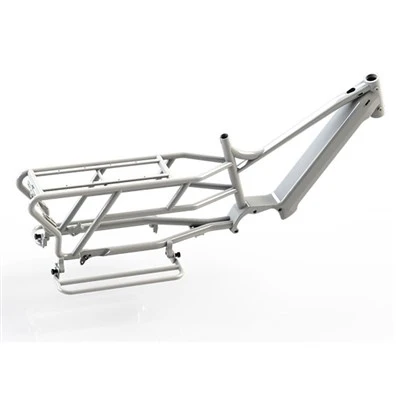
We understand the needs of cyclists, whether they are professional racers or recreational riders. Our bike forks are designed to not only reduce drag but also provide a smooth and comfortable ride. We use only the highest – quality materials and the most advanced manufacturing processes to ensure the durability and reliability of our products.
Mountain Bike Frame If you’re interested in learning more about our aerodynamic bike forks or would like to discuss a potential purchase, we encourage you to reach out to us. Our team of experts is ready to answer your questions and help you find the perfect bike fork for your needs. Contact us today to start your journey towards a more aerodynamic and efficient cycling experience.
References
- Wilson, D. G., & Papadopoulos, J. M. (2004). Bicycling Science (3rd ed.). MIT Press.
- Cossalter, V. (2006). Motorcycle Dynamics. Society of Automotive Engineers.
- Kleshnev, V. (2004). The Biomechanics of Rowing: Methodology, Kinematics and Kinetics. World Scientific.
ALU-MATE Metal Industrial Co., Ltd.
As one of the most professional bike fork manufacturers and suppliers in Taiwan, we have world-leading production equipment and strong manufacturing capabilities. We warmly welcome you to wholesale advanced bike fork from our factory. Contact us for customized service and OEM service.
Address: NO.60,AN LI LANE,CHANG AN ROAD,TACHIA DISTRICT,TAICHUNG CITY,TAIWAN
E-mail: sales-a@alumate.com.tw
WebSite: https://www.alu-mate.com/
