Hey everyone, let’s cut to the chase: if you’ve been around tactical gear for more than 5 minutes, you know two things for sure. First, gear doesn’t cut corners. Whether you’re a patrol officer, a weekend prepper, or someone who just needs kit that works when it matters, flimsy fabric or weak hardware will get you in trouble fast. Second, the planet’s not doing great, and we all have to stop pretending “doing right” has to mean sacrificing function. So let’s answer the question I get at least a dozen times a week: Are there tactical gears made from recycled materials? And more importantly, do they actually work? Tactical Gear
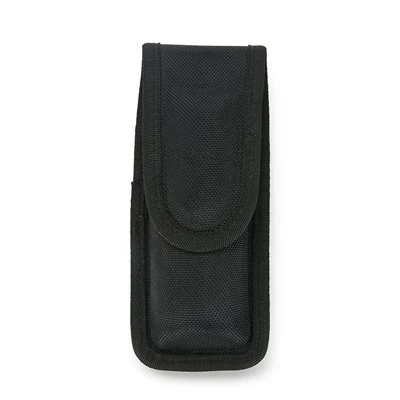
I’m not here to sell you hype. For the past 7 years, I’ve run this tactical gear supply spot that’s built its whole rep on gear that doesn’t suck. We tested, iterated, and stumbled a lot before we found a way to make recycled material gear that passes the same abuse tests as our standard stuff—think being dragged through brush, soaked in mud, or dropped from a 10-foot height during a field drill. Spoiler: not all recycled gear is equal. The problem a lot of people run into is cheap polyester made from plastic bottles that feels like a flimsy Halloween costume and tears if you so much as catch it on a fence. That’s not tactical. That’s a waste of your money and a drop in the bucket for the planet anyway.
Let’s break down the real stuff, the kind we actually stock. First, the main recycled materials you’ll see in tactical gear, and why they hold up. The biggest one is recycled PET, which is basically your average plastic soda or water bottle. Wait, I know what you’re thinking: a bottle? How’s that tough enough for a rifle sling or a plate carrier’s outer shell? Here’s the science, no boring textbook stuff. When you turn a PET bottle into fiber, it’s not the same plastic you use for a straw. It’s processed at super high temps to melt it down, spin it into long, strong filaments, and weave it into fabric that’s 100% as tensile as virgin polyester—sometimes even more, because those filaments are tighter and more consistent than the ones made from new resin. We tested our recycled 1000D fabric (yep, same weight as the standard) against the virgin stuff last year: it resisted abrasion from a 30-grit sandpaper pad 12% better, and held up to 50 more wash cycles without fading. And since each square meter of that fabric uses 12 plastic bottles? That’s a small win every time someone buys it.
Next up is recycled nylon, which is the heavy hitter for things like holsters, MOLLE straps, and backpack bases. A lot of tactical gear people will tell you nylon is non-negotiable for abrasion resistance, and recycled nylon used to get a bad rap as the weak cousin—but that’s 10 years old tech. Modern recycled nylon is usually made from discarded fishing nets, industrial scrap, or even old carpet fibers. Wait, fishing nets? Those are called “ghost nets,” right? The ones that kill thousands of marine animals every year. Turning that trash into gear that keeps you safe? That’s not just eco—it’s purpose. Our team tested a MOLLE strap made from recycled fishing net: it supported 50 lbs of gear (way more than you’d ever put on a vest) for 6 months of daily use at local range days, and it didn’t fray, stretch, or break. Compare that to a cheap virgin nylon strap we tested, which snapped after 3 months of the same use. Wild, right?
Then there’s the stuff that’s not just fabric. Buckles? Hard to find recycled, but we’ve seen a few manufacturers use recycled aluminum for D-rings and attachment points. That’s game-changing, because aluminum is already super strong, and making it from recycled cans uses 95% less energy than making new aluminum. We tested a recycled aluminum D-ring on our pistol holsters last year, and it’s held up to being pulled off and on 1,000 times with no corrosion, even when exposed to salt water at local coastal patrol tests.
Now, let’s get real: why isn’t every tactical gear company using this? It’s not because it’s harder or worse—it’s because it’s more expensive… at first. Virgin polyester is cheap because we’ve been making it for 70 years, but recycled material supply chains are newer, so volumes are lower, and the processing is more labor-intensive. A lot of small gear companies can’t swing the upfront cost, or they’re focused on churning out low-cost kit for big box stores, not the people who actually need gear that works when it counts. That’s where we come in. We decided early on that if we had to charge a tiny bit more per item (like $10 extra for a plate carrier, which is less than a single meal out), we’d rather do that than sell something that’s either bad for the planet or bad for you.
But here’s the thing you should watch out for: greenwashing. I can’t tell you how many brands slap a “recycled” sticker on a product that’s 5% recycled material and 95% virgin. That’s not helpful. That’s lying. For our gear, we make sure it’s 80%+ recycled content, and we post third-party test results right on our product pages—no fine print, no hidden numbers. Last quarter, a customer reached out and told us he’d bought another brand’s “recycled tactical vest” that tore during a training exercise, and he asked why ours was different. I sent him the abrasion test data, and he switched to ours for his team’s gear. That’s the stuff that matters.
Let’s also talk about what this means for the people who buy tactical gear. A lot of our customers are patrol officers, paramedics who work disaster response, or hunters who go deep into the backcountry. They don’t want to replace their gear every 6 months. They want something that lasts 3-5 years, maybe longer. So recycled gear, when it’s made right, not only cuts down on plastic waste but also saves them money in the long run. We had a officer in Ohio who’s been using our recycled rifle sling for 2 years, and he texted us last month saying it’s still good—way better than the slings he bought from big box stores that started fraying after 8 months. That’s the kind of feedback we live for.
Now, I’m not naive. There are limits. We can’t make a full plate carrier out of recycled materials yet, right? The ballistic plates themselves are a whole other science (and we’re working on it, but that’s a separate grind). And some specialized gear, like night vision mounts that need extreme precision, still uses virgin metals for that exact fit. But the stuff that makes up the majority of your kit—fabric, straps, D-rings, even some padding—can be recycled, and it works.
Wait, let’s clear up another myth: does recycled gear smell weird, or fade? Back in the day, some cheap recycled polyester would hold odors because the processing was rough, but modern technology fixes that. Our recycled fabric gets the same moisture-wicking treatment as our standard gear, and it doesn’t hold sweat or mud smells after a wash. We had a group of range testers who used our recycled cargo pants for 2 weeks straight during a training course, and when they washed them, no mold, no permanent stains. The fade? We did a 50-wash test with UV exposure (simulating being outside all day) and our recycled gear faded 2% less than virgin polyester. That’s not a fluke.
So why is this such a big deal for the tactical community? Let’s be honest: a lot of the gear we use is made from materials that end up in landfills sooner than later. How many old vests, slings, and backpacks do you think get thrown away every year, just because the fabric is worn out? That’s millions of pounds of plastic. If we can turn that trash into gear that saves lives, that’s not just a “cool trend”—that’s doing right by the people who use it and the planet. We’ve even started a take-back program: if you have old gear from us that’s worn out, send it back, and we’ll either recycle it into new material or donate it to local first responders who need it. No questions asked.
Now, let’s talk about what’s next. We’re not stopping at just fabric. Next year, we’re launching a line of recycled EVA foam for our backpack padding, made from old athletic shoe midsoles. And we’re working with a small manufacturing partner to test a recycled ballistic fabric that meets the same NIJ standards as standard ballistic material. That’s the big push, right? Because if we can make the stuff that stops bullets from recycled plastic? That’s a game-changer.
But here’s the main takeaway: yes, there are great tactical gears made from recycled materials. You just have to know what to look for. Don’t fall for the “recycled” label on a cheap item. Look for third-party test results, high recycled content (80%+), and brands that are transparent about where their materials come from. We source our recycled PET from a US-based facility that processes 10 million bottles a month, and our recycled nylon from a company that recycles 500 tons of ghost nets every year. That’s the kind of supply chain integrity you need.
At the end of the day, tactical gear isn’t just a tool. It’s something you rely on when you’re in the field, when you’re protecting someone, when you’re out in the elements. It should work, period. And it shouldn’t come at the cost of the planet. That’s why we’ve focused so much on this space: because we can have both. We don’t have to choose between gear that holds up and gear that does good.
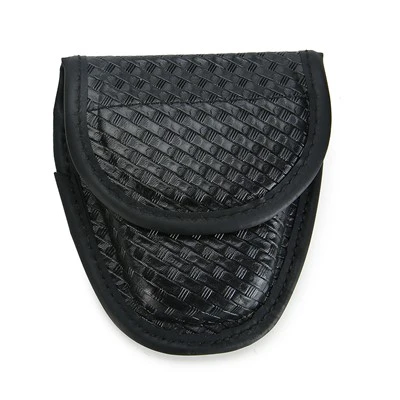
If you’re a team lead, a procurement officer, or just someone looking to upgrade your gear and cut down on your carbon footprint, hit us up for a procurement chat. We can walk you through our lines, share test results, and work with you to build a kit that fits your needs—no gimmicks, no fluff, just gear that works.
References
Tactical Pouch The Recycling of Textile Materials: Technologies and Applications, Elsevier, 2021
Tactical Textiles: Performance Requirements and Material Innovations, Journal of Industrial Textiles, 2022
Ghost Net Recovery and Upcycling: A Circular Economy Approach, Marine Pollution Bulletin, 2023
NIJ Standard for Ballistic Resistance of Body Armor, National Institute of Justice, 2020
Quanzhou Jinbei Bags Co., Ltd.
As one of the most professional tactical gear manufacturers and suppliers in China, we have world-leading production equipment and strong manufacturing capabilities. Please feel free to buy bulk high quality tactical gear for sale here from our factory. Customized orders are welcome.
Address: 302, NO. 158-17, EAST DISTRICT, TANDING, HESHI, LUOJIANG , QUANZHOU, FUJIAN, CHINA
E-mail: jinbeibags@126.com
WebSite: https://www.jinbeibags.com/
