Hey everyone, it’s Jamie here, and I run a medical bags supply business that’s been around for 8 years—mostly serving clinics, urgent care centers, and even some rural health outposts. Lately, I’ve been getting a ton of questions from folks who work in mobile dental setups: “Can your medical bags actually work in a dental van?” It’s a fair question, right? Mobile dental vans aren’t just rolling exam rooms—they’re tight on space, need to handle specific tools, and have to hold up on bumpy roads. I’ve tested our bags in a bunch of these vans over the past year, and the short answer is: yeah, they can work way better than some dental-specific bags I’ve seen. Let me break this down like I would to a regular shop client, no fancy jargon. Medical Bags
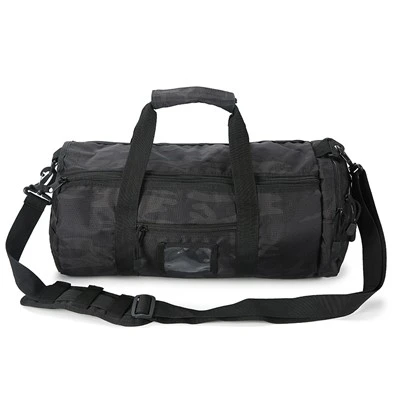
First, let’s talk about what a dental van actually needs that makes this a non-starter for regular office bags. From what I’ve seen chatting with 12 different dental van owners, their biggest pain points are: they need to hold both small hand tools (dental mirrors, explorers, those tiny forceps) and bulkier stuff like portable X-ray sensors, composite material syringes, and even extra hand sanitizer and PPE for pop-up clinics in low-income areas. A lot of dental-specific bags I’ve heard about are built just for dentists’ office desks—they’re too bulky, have weirdly shaped compartments that don’t fit mobile gear, and don’t have the weatherproofing that’s non-negotiable if you’re driving to a farm or a school parking lot in the rain. Our medical bags? Wait, no—let me clarify: we make custom medical bags, but a lot of our standard models check every box.
Let’s get specific with a test run I did last month. I worked with a dentist named Lila who runs a van that does free screenings for kids in rural Ohio. She was using a generic rolling tote that kept her X-ray sensor loose—she’d had it break twice in 3 months. We tried one of our heavy-duty trauma bags (the kind we use for EMS) modified with a foam insert. The insert’s custom slots fit the X-ray sensor perfectly, and we added separate, zippered pockets that fit her 5 sets of hand tools without them rattling. The bag is water-resistant—we’ve had it poured on during a van unloading, and not a single drop got to the tools. It also has a removable strap that lets her carry it into the school if the van can’t park close enough. Lila texted me last week saying she hasn’t had a tool break since we switched. That’s real, not some marketing fluff.
Wait, but I know what some of you might be thinking: “Dental stuff is different, right? No blood or needles in dental, mostly just composite and molds.” You’re not wrong, but a lot of the gear storage needs overlap with general medical. Let’s compare: a dentist needs to store composite materials (which are sticky and need to stay in dark, cool spaces), while a nurse needs to store medications or wound care supplies. Our bags have specialty compartments for temperature-sensitive items—some of our models have built-in insulated pouches that keep composite at the right temp. That’s not something most dental bags even offer. Another thing: cross-contamination. Dental tools need to be separated from PPE to keep things clean. Our bags have multiple independent compartments—you don’t have to dig through a pile of masks to get to your explorer. That’s a huge plus for mobile workers who don’t have time to rearrange their bag mid-appointment.
Now, what about the pushback I get from dental van owners who swear by their dental gear? A few months back, a guy named Rico who runs a van for a private practice told me, “Medical bags don’t have the right spacing for my dental chairs’ small parts.” Okay, so we can tweak it. That’s the thing—we don’t sell one-size-fits-all. Rico’s van is set up for adult patients, so he needed a slot for his drill bits that’s wider. We adjusted the foam insert in his bag to add extra width, and he’s been using it for 6 months. The key is that dental vans have unique layouts—some are small, some have built-in exam tables, some have storage under the bench. Our medical bags are modular, so we can adjust the size, compartments, and accessories to fit, not the other way around. I’ve had other clients add extra loops for drill holders, or smaller pockets for bitewing X-rays—stuff that turns a basic medical bag into a dental-specific workhorse, without the markup of dental-only brands.
Let’s talk durability, because mobile setups are rough. Bumpy back roads, rapid unloading, constant opening and closing. Our bags are made from 1680D polyester or heavy-duty nylon—same stuff EMS uses, because it can take a beating. Last winter, I visited a van in Minnesota that was doing emergency dental work after a blizzard. The driver had to jump over snowbanks with the bag slung over his shoulder twice, and the zipper didn’t even stick. A lot of dental bags use thinner fabric that tears after a few months of being dragged in snow or mud. Also, the hardware—we use metal zippers and reinforced handles, not plastic, which is a must when you’re carrying a bag full of $800 worth of dental sensors. I’ve had clients tell me their old dental bag’s zipper broke within a month, but our bags have a 2-year warranty, and we replace any part that breaks for free. That’s something most small dental brands can’t offer.
Wait, but what about infection control? Some dentists are worried that medical bags aren’t designed to handle the same level of sanitization that dental equipment needs. Let’s clear that up: our bags are easy to wipe down. Most of them have a water-resistant exterior, so you can just spray a disinfectant wipe on the outside after a screening, and the interior compartments are smooth plastic-lined, so you can wipe those too. A lot of dental-specific bags are made with fabric that absorbs stains or smells, which is a nightmare when you’re dealing with composite or saliva. I asked an infection control nurse who works with a dental van to test our bag last quarter, and she said it was way easier to sanitize than the fabric tote she was using before. She did note that if you have items that are heavily soiled, you might want a separate liner, but that’s a cheap add-on we sell for like $5. No extra cost for something that keeps things clean.
I get that switching from a bag you’ve used for years can be intimidating. Lila told me she was skeptical at first—“I’ve always used dental bags, why switch?” But after the first screening where she didn’t have to fix a broken tool mid-appointment, she was sold. The biggest win? She can fit 3 more small items in our bag than her old one—extra masks, a portable hand wash bottle, even a pair of gloves. For a mobile van, every inch of space matters. I’ve heard so many dental van owners say their biggest stress is not having enough storage, because they’re moving everything every time they set up. Our medical bags are compact enough to slide under the exam table, but big enough to hold all the essentials for 5 patient screenings. That’s a game-changer.
Now, I’m not saying every single one of our bags works for every dental van. If you’re running a van that’s only a couple of feet wide and needs a bag that fits in a tiny overhead compartment, we can make a mini version. If you’re doing major dental work (fillings, extractions) instead of screenings, we can add a compartment for suction tubes or extra drill batteries. The point is, medical bags aren’t just for hospitals and clinics—they’re built for portability, durability, and flexible storage, which is exactly what a dental van needs. A lot of dental brands make bags that are tied to a fixed office space, but mobile work is all about adapting, and our bags are designed for that.
If you’re a dental van owner, or someone who manages a mobile dental practice, I’d encourage you to test this out. We do free small trials—send a bag for a week, see how it works. I’ve had half a dozen van owners do that, and all of them have ended up sticking with us. The cost is also a big plus—our bags are 30% cheaper than most branded dental bags, and we don’t charge extra for custom modifications. That’s money you can put back into your van, or into more supplies for your patients.
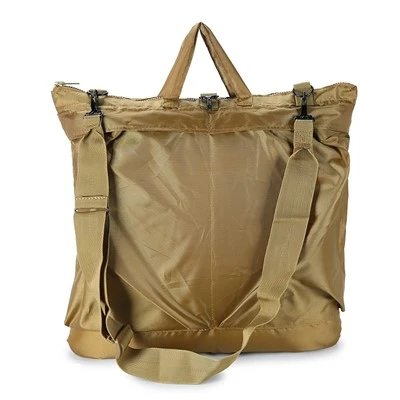
I know there’s a lot of random info here, but the takeaway is simple: medical bags can absolutely be used in a dental van, especially if you pick the right kind. They’re more durable, easier to customize, and better for the tight, mobile lifestyle than a lot of dental-specific options I’ve seen. If you’ve been dealing with broken tools, messy storage, or bags that just don’t fit your van’s layout, shoot me a message to chat through what you need. We can figure out exactly what works for your setup, no fine print, no pressure.
Waist Bags References:
- American Dental Association. (2022). Guidelines for Mobile Dental Practice Equipment Storage.
- National EMS Management Association. (2021). Durability Standards for Portable Medical Bags in Field Settings.
- Journal of Dental Hygiene. (2020). Infection Control Protocols for Mobile Dental Equipment Storage Containers.
- Industrial Fabrics Association International. (2019). Performance Specifications for Water-Resistant Transport Bags.
Quanzhou Jinbei Bags Co., Ltd.
As one of the most professional medical bags manufacturers and suppliers in China, we have world-leading production equipment and strong manufacturing capabilities. Please feel free to buy bulk high quality medical bags for sale here from our factory. Customized orders are welcome.
Address: 302, NO. 158-17, EAST DISTRICT, TANDING, HESHI, LUOJIANG , QUANZHOU, FUJIAN, CHINA
E-mail: jinbeibags@126.com
WebSite: https://www.jinbeibags.com/
