Hey everyone, let’s cut to the chase – if you’re a fabricator, mechanic, or anyone who’s ever dealt with industrial parts that get caked in grease, metal shavings, and all kinds of gunk, you know the last thing you want is a side plate that’s a nightmare to clean. As someone who’s been in the bimetal side plates game for over 8 years now, I get asked this question more times a week than I can count: Are bimetal side plates easy to clean? Bimetal Side Plates
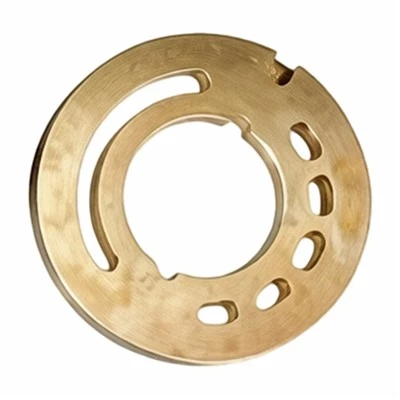
Let’s start with the basics, since that’s where a lot of confusion happens. Bimetal side plates, right? They’re made by bonding two different metal layers – usually a hard, wear-resistant layer (like chromium or tungsten carbide) on the surface that takes the beating, and a tougher, more flexible base layer (carbon steel or low-alloy steel) to hold it all together. So they’re built to last longer than single-metal plates, but does that same durability make them a pain to scrub? Spoiler alert: it depends on how they’re finished, what you’re cleaning off them, and how you’re cleaning them.
I’ve seen too many suppliers cut corners here. They’ll rush the plating or coating process, leaving tiny gaps or rough spots where grime can get trapped, and then tell you “they’re easy to clean” just because they’re bimetal. Nah, that’s not how it works. Good bimetal side plates have a smooth, sealed surface on that top wear layer – think a Ra roughness of 0.8 or less, not those bumpy, rough finishes you’d get from a cheap cast part. That smooth surface is the game-changer for cleaning. Grease, oil, and even light metal shavings just sit on top, not seep into pores or crevices. I’ve had customers tell me they hose their plates down after a 12-hour shift, and most of the gunk washes right off without even using a brush. If the finish is cheap, though? Those rough pockets will hold onto grime like glue, and you’ll be scrubbing for 10 minutes just to get a small area clean.
Now, let’s talk about what you’re dealing with. If you’re running a CNC machine, a conveyor system, or a stamping press, most of the stuff on your side plates is light industrial grease, cutting oil, and fine metal dust. That’s where bimetal side plates shine. We get our wear layers precision-finished, so there’s no porous structure to trap that gunk. You can use a pressure washer (low to medium PSI, by the way – too high and you might damage the bond between the two metal layers, which is the whole reason they’re bimetal in the first place) or even a degreaser spray and a soft microfiber cloth. No harsh scouring pads needed, because they won’t scratch the smooth top layer. Wait, speaking of scratching – that’s another win. Bimetal wear layers are way harder than single carbon steel, so a stray wire brush or a quick swipe against another part won’t leave permanent scratches. Scratches are the worst because they create tiny lines where grime can build up and turn into a tough, baked-on mess. So if you accidentally scrape your bimetal side plate once, it’s not the end of the world – a quick wipe and it’s good to go.
But hold up, it’s not all sunshine and rainbows. What if you’re dealing with heavier stuff, like molten metal splatter, concrete dust mixed with oil, or really thick, baked-on grime from a dusty workshop? Yeah, that takes a little more work, but even then, bimetal side plates are easier to clean than their single-metal counterparts. Let’s be real – single-metal steel plates will rust if you leave that thick grime on them overnight, and rust is a total pain to get off. Bimetal plates? The top wear layer is corrosion-resistant (that’s why we pick chromium or carbide, not soft steel), so even if you leave caked-on gunk on them for a week, you just have to soak them in a mild alkaline solution for a few hours, and the grime lifts right off. No rust stains, no pitting, no hours of sanding to get rid of rust and then scrub the grime on top. I had a customer last year who runs a concrete mixing plant – their old steel side plates took 45 minutes each to clean at the end of the week, and since they switched to our bimetal ones, that time’s down to 15 minutes. That’s a huge win for productivity, right?
Wait, let’s address the elephant in the room: the bond between the two metal layers. A lot of people ask me, “If I’m cleaning them with harsh chemicals or pressure washers, will that make the layers separate?” That’s a valid concern, and it’s why we do our bonding right. We use a diffusion bonding process, not just welding or gluing, so the two metals actually merge at the molecular level, not just sit on top of each other. That bond is strong enough to handle any cleaning method you’d use on a regular basis – pressure washing, degreasers, even mild acids (just not super strong, industrial-grade acids that are meant for stripping metal). I’ve had some of our plates in use for 3 years now, and the customers tell me the bond is still solid, no peeling or flaking, and they still clean just as easy as day one. The only time you’ll have issues is if someone uses way too much pressure (like 5000 PSI pressure washers – way over the recommended 1500-2000 PSI) or uses a metal scraper to chip at baked-on grime. That’ll scratch the wear layer, which as we talked about earlier, creates spots where gunk can get trapped.
Another thing a lot of people don’t think about: maintenance habits. Even the easiest-to-clean bimetal side plates will be a pain if you leave grime caked on for weeks on end. But compared to other parts, they’re way more forgiving. We always tell our customers two quick things to keep cleaning easy: first, wipe down the plates at the end of every shift, before the grime has a chance to harden or bake on. That takes 2 minutes, tops, and keeps them fresh. Second, if you do get a heavy buildup, soak the plates (or even just the dirty section) in a citrus-based degreaser – they’re non-toxic, don’t damage the metal, and work way better than harsh chemical degreasers for breaking down gunk. I’ve seen customers switch to citrus degreasers just for this reason, and their cleaning time dropped even more.
Wait, let’s compare to other materials, because that’s how most people make their call. What about plastic side plates? They’re light, but they scratch super easy, and the scratches trap grime. Plus, if they get hot, they warp, and then cleaning around the warped edges is a nightmare. What about full stainless steel plates? They’re corrosion-resistant, but they’re softer than the wear layer on bimetal side plates, so they scratch easier, and the scratches still hold grime. And full stainless is way more expensive, too. Cast iron side plates? They’re porous, so grime seeps in, they rust, and cleaning them takes forever because you have to scrub every crevice. Bimetal side plates hit that sweet spot: hard, smooth, corrosion-resistant, and way cheaper than full stainless or specialty alloys. That’s why they’re so popular in industrial settings, and why their cleaning ease is such a big selling point.
I’ve heard a few myths over the years, though. Like, “Bimetal side plates are too expensive to be worth it.” Let’s do the math. If your old single-metal plates take 30 minutes to clean each, and you have 10 side plates to do every week, that’s 5 hours a week of labor. Multiply that by your hourly shop rate, and in a year, that’s thousands of dollars in wasted labor. Plus, single-metal plates wear out faster, so you’re replacing them every year or two. Bimetal plates last 3-5 years, and cleaning time is cut by 70% or more. So even if the upfront cost is a little higher, you’re saving money on labor, replacement parts, and downtime. And all that starts with how easy they are to clean – less time scrubbing means more time running your business, which is the whole point.
Now, let’s be real – no part is “impossible” to clean, and bimetal side plates aren’t magic. If you use a wire brush with steel bristles and scrub every day, you might scratch the smooth surface, and that’ll make cleaning harder. If you use a super high-pressure washer with a narrow nozzle, you could damage the edge of the wear layer. But follow the basic care guidelines, and they’re way easier to clean than any other side plate on the market. The key is the smooth, sealed wear layer from good manufacturing practices – that’s not something every supplier does. A lot of cheap bimetal side plates have a raw, unfinished wear layer that’s not polished, so they’re just as hard to clean as single-metal plates. That’s why it’s important to work with a supplier who cares about the finish, not just the metal layers.
At the end of the day, the question “Are bimetal side plates easy to clean?” boils down to what you need. If you want a part that holds up to heavy use, doesn’t rust, and cuts your cleaning time down significantly, then yes – they’re one of the easiest parts to clean in your workshop. If you’re looking for a cheap, disposable part that you replace every few months, then maybe not, but that’s a short-term fix that’ll cost you more in the long run.
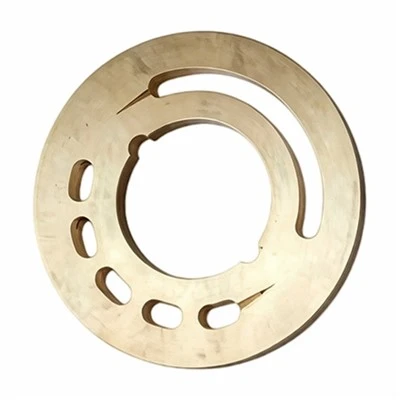
If you’re tired of spending hours scrubbing side plates every week, or you’re dealing with parts that rust, scratch, and get caked in grime no matter what you do, let’s chat. We can walk you through the different bimetal side plate options, talk about the right finish for your specific application, and even give you care tips tailored to your workshop. No hard sell, just straight answers, because we’ve been in this game long enough to know that happy customers come from parts that work as promised – and are easy to keep clean.
Bimetal Strips & Sheets References
- Industrial Metal Finishing Association. (2021). Surface Roughness and Cleanability of Industrial Components. IMFA Technical Bulletin.
- NACE International. (2020). Corrosion Resistance of Bimetallic Materials for Industrial Equipment. NACE Publication 4221.
- Fabricators & Manufacturers Association. (2022). Operational Efficiency Gains from Low-Maintenance Industrial Parts. FMA Case Study Report.
Qingzhou Baiyun Anti-friction Products Co., Ltd.
With abundant experience, we are one of the most professional bimetal side plates manufacturers and suppliers in China. Please rest assured to wholesale customized bimetal side plates at competitive price from our factory. Welcome to contact us for quotation.
Address: Linglongshan North Road (south of the railway bridge), Economic Development Zone, Qingzhou City, Weifang City, Shandong Province
E-mail: byantifriction@gmail.com
WebSite: https://www.baiyunbimetal.com/
