Hey there! If you’ve ever been deep in the weeds of sourcing construction materials, automotive parts, or even custom signage, you know weight is a total game-changer. Too heavy and you’re cranking up shipping costs, struggling with installation, or weighing down whatever you’re building. Too light and you might be sacrificing durability, right? That’s where I come in— I’ve spent years sourcing and supplying PVC Series materials, and one question I get all the time is: how does its weight stack up against other common stuff people use? Spoiler: it’s not a one-size-fits-all answer, and I’m gonna break this down like we’re chatting over a coffee, not writing a college thesis. PVC Series

First off, let’s cut to the chase with hard numbers, no jargon promise. First up, what even is PVC Series here? I’m talking about the standard, everyday rigid PVC (like pipe or window frames), flexible PVC (for hoses, vinyl wraps, or electrical insulation), and even the modified PVC blends we use for custom parts— the stuff that actually leaves our warehouse, not some lab-only weirdness. Now, compare that to the big three competitors people throw around: steel, aluminum, and acrylic (PMMA).
Let’s start with density, since that’s the main driver of weight for a given size (think: 1 cubic foot of material). Rigid PVC clocks in at around 1.3-1.4 grams per cubic centimeter (g/cm³). Flexible PVC is a touch lighter, around 1.1-1.3 g/cm³, because we add plasticizers to make it bendy. Now let’s match those to the others: steel is a whopping 7.85 g/cm³— that’s almost 6x heavier than rigid PVC. Aluminum is way better, at 2.7 g/cm³, so still double the weight of standard PVC. Acrylic lands around 1.18 g/cm³, so just barely heavier than flexible PVC, and almost identical to rigid PVC, to be honest. Wait, but hold up— that’s density for an equal volume, right? Most of my customers don’t buy by the cubic foot; they buy parts, pipes, panels. So a 10-foot length of 4-inch PVC pipe? That’s like a third the weight of the same length steel pipe, and half the weight of aluminum. That’s a huge deal for guys doing residential plumbing— no more hiring two people to haul 20-foot pipe up a ladder, or paying $200 extra for freight because steel is heavy.
But wait, I know what you’re thinking: “That sounds great, but what about when I need strength?” Because weight doesn’t mean jack if the material breaks before it’s supposed to. Here’s the thing about PVC Series: it’s not just light for the sake of being light. Let’s take rigid PVC vs. aluminum, for example. A PVC window frame? It’s lighter than aluminum, but it’s still rigid enough to hold glass, doesn’t rust, and doesn’t conduct heat (so lower energy bills for the homeowner). If you tried to swap that aluminum window frame for the same size PVC one, you’d have a frame that’s half the weight, no corrosion, and doesn’t warp as much from temperature swings. For automotive parts— like interior trim or under-hood components— we’ve had customers switch out steel clips for PVC Series and cut part weight by 70% without losing any holding strength. That adds up to better fuel efficiency for cars, which is a win for everyone.
Now, let’s talk about the times PVC might not be the lightest, but is still the smarter pick. Acrylic is slightly lighter than rigid PVC, but acrylic scratches way easier, and it’s way more prone to cracking if you drop it or bend it too much. So if you need a sign panel that’s going to be outside for 5 years, acrylic’s light weight might seem nice, but you’ll be replacing it in a year because it scuffed up. PVC Series, on the other hand, is UV-stabilized (we add that in the blend when we make our stuff), so it doesn’t fade or get brittle in the sun, and it’s impact-resistant enough to hold up to street grime or snow. And yeah, it’s a touch heavier than acrylic, but the durability saves you money in the long run, plus shipping is still way cheaper than acrylic because even a small acrylic panel gets fragile and you have to package it with more padding, adding to the actual delivered weight.
Wait, I also get a lot of questions about flexible PVC vs. rubber, because rubber is used for hoses and seals too. People think rubber is lighter, but standard EPDM rubber is around 1.2 g/cm³, so almost the same as flexible PVC. But here’s the difference: flexible PVC can be formulated to be even lighter if you need it— we can add tiny, micro-bubbles (foam PVC blends) that drop the density down to 0.5 g/cm³, which is half the weight of rubber. We use that foam PVC for things like door seals or gym mats, where you need flexibility but don’t want the extra bulk. That’s a huge advantage for things like RV parts— every pound saved in an RV means better gas mileage, and our foam PVC seals are lighter than rubber ones, no air leaks, and way cheaper to replace if they get damaged.
But let’s be real, I’m not gonna sugarcoat the downsides. PVC Series isn’t for every job. If you need something that can handle super high temperatures— like a car’s exhaust manifold heat shield— aluminum is way better, because PVC starts softening around 140°F, while aluminum can handle way more, so you can’t use PVC there. And if you need a part that’s going to take constant, extreme stress (like a construction crane lift point), steel is still your guy, no question. But for 80% of the stuff my customers are sourcing— plumbing, trim, signage, electrical insulation, consumer goods— PVC Series beats the weight of steel and aluminum hands down, and is on par (or lighter) than acrylic and rubber with way better real-world performance.
Now, let’s talk about the hidden weight savings that most people miss. When you use lighter materials, it’s not just the part itself— it’s the packaging, shipping, installation, even end-of-life disposal. For example, a construction company I work with does 100 bathroom remodels a month. They used to use steel drain pipes, and each pipe ran about 12 lbs. Switching to our rigid PVC drain pipe, each is 4 lbs— that’s a 8 lb saving per pipe, and for 100 bathrooms, that’s 200 pipes, so 1,600 lbs less weight on each delivery. Their freight cost dropped by $350 a month, and their installers finished each job 45 minutes faster because they didn’t have to heft heavy pipes around. That’s not just about the material weight— that’s tangible money in their pocket.
Another customer is a custom sign maker. They used to use acrylic for large outdoor signs, but the acrylic was so heavy they had to use thicker mounting brackets, which added more weight to the sign itself and more cost. Switching to our UV-stabilized rigid PVC panels— which are just 1.3 g/cm³, almost identical weight to acrylic, but way stiffer— they could use thinner brackets, no extra weight, and the panels didn’t crack when they were installing them high up on a building. They told me their installation time per sign dropped by an hour, and they haven’t had to replace a single sign panel due to weather damage in 3 years. That’s the kind of win that makes all the material weight talk worth it.
I also get asked about “eco-friendliness,” since PVC has gotten a bad rap over the years. But our PVC Series is formulated to be low-VOC, and we recycle 95% of our production scrap here at our warehouse— we grind it up, re-extrude it, and make new parts, so it’s a circular material. And compared to aluminum, which takes way more energy to mine and process, the carbon footprint of PVC Series is way lower, even when you account for end-of-life. And since it’s lighter, all those shipping and installation savings mean lower carbon emissions too. It’s not perfect, but it’s way better than a lot of people think, and the weight advantage plays a big part in that.
Wait, let’s make sure I’m not mixing up anything here. Let’s recap the key weight numbers so you don’t have to take my word for it:
- Rigid PVC Series: 1.3-1.4 g/cm³ (2.7x lighter than steel, 2x lighter than aluminum, 1% heavier than acrylic)
- Flexible PVC Series: 1.1-1.3 g/cm³ (30% lighter than steel, 50% lighter than aluminum, 7% lighter than rubber)
- Foam PVC Series: 0.5-0.9 g/cm³ (half the weight of rubber, super flexible, rigid when you need it)
The takeaway here is that material weight isn’t just a number on a spec sheet. It affects shipping costs, installation time, part durability, even long-term maintenance. For my customers, PVC Series isn’t just the lightest option out there— it’s the sweet spot between weight, performance, and cost.
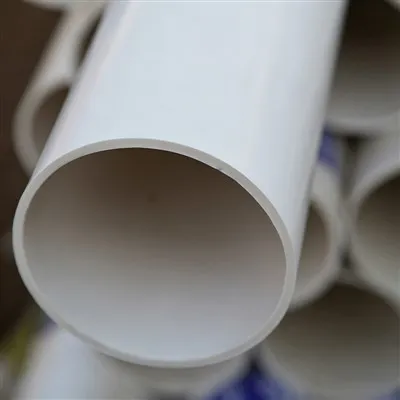
If you’re in the market for materials and tired of overpaying for heavy stuff, or dealing with fragile, expensive alternatives, I’d love to chat. Whether you need a custom part, standard pipe, or something in between, we can send you samples, run you the numbers, and help you figure out if PVC Series is the right fit for your project. No pressure, no weird sales tactics— just straight talk about what works. Got questions? Reach out whenever, I’m happy to help.
PPR Pipe References
ASTM International. (2021). Standard Test Methods for Density of Plastics by the Displacement Method. ASTM D792-21.
European Plastic Manufacturers Association (PlasticsEurope). (2022). PVC Material Property Data & Application Guide.
U.S. Department of Energy. (2020). Weight Reduction Impacts on Automotive Fuel Efficiency. Energy Efficiency & Renewable Energy Report.
Hebei Ruijie Pipe Industry Co., Ltd.
Address: Industrial Park, Shaozhuang Township, Suning County, Cangzhou City, Hebei Province
E-mail: 1987870474@qq.com
WebSite: https://www.rjpprpipe.com/
